01
Mission Assessment
Start with the full picture—your experience, priorities, strengths, and the life you want to build next.
Built for those who served
Scopevera helps service members translate hard-earned experience into a clear civilian direction—with structure, guidance, and a human hand on the map.

Your Next Mission
You planned missions where precision, timing, and risk mattered. Now turn that experience into a civilian career built around strategy, leadership, and complex execution.

Your Next Mission
You learned to move people, resources, and operations through uncertainty. Scopevera helps you chart a civilian path with the same clarity and purpose.

Your Next Mission
You led teams, managed resources, and delivered outcomes under pressure. Now translate that experience into programs, operations, and organizations ready for your leadership.

Your Next Mission
You turned intent into action when the stakes were real. Bring that discipline, adaptability, and momentum to teams and programs that need results.
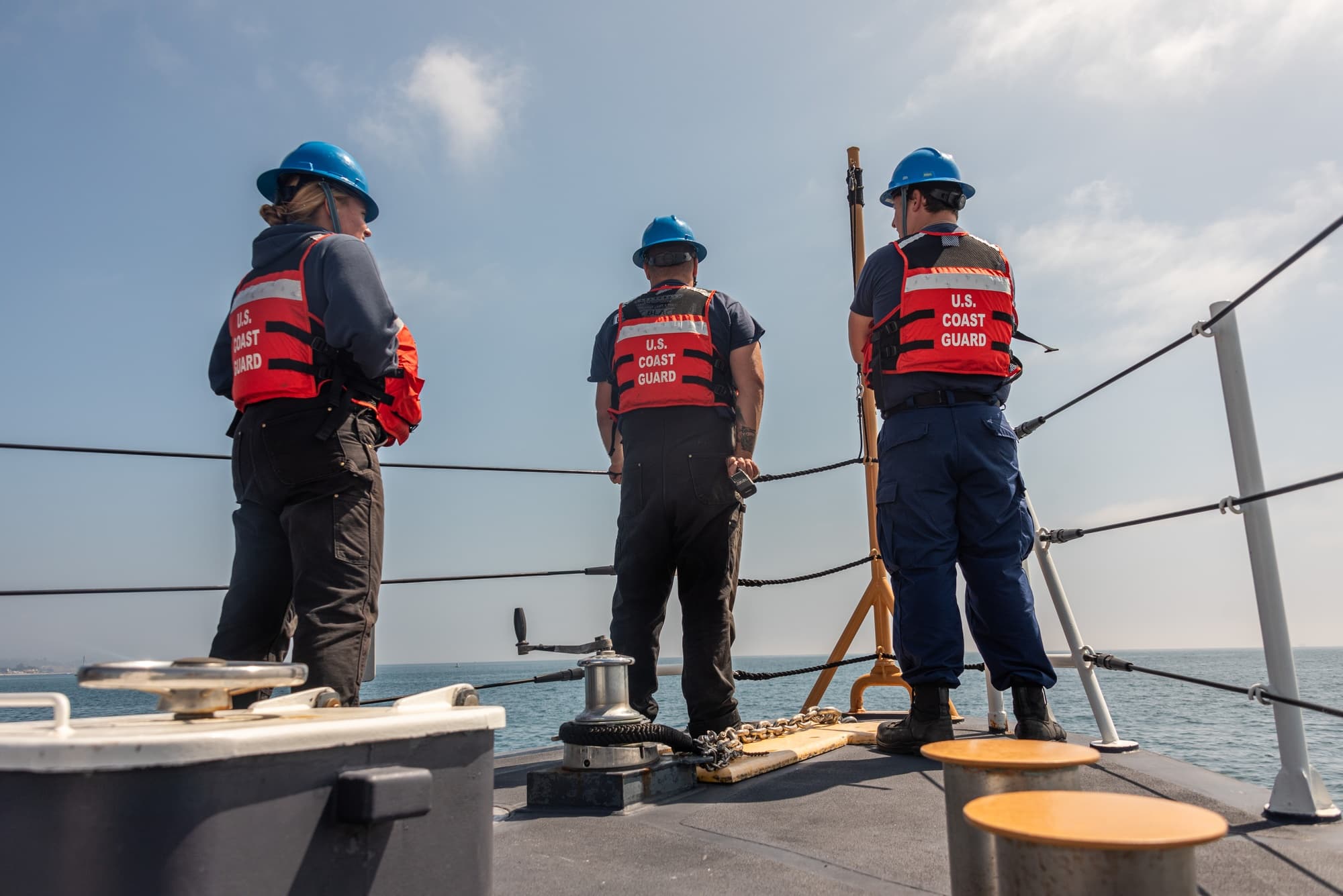
Your Next Mission
You were trusted when conditions changed quickly and the mission could not wait. Convert crisis leadership, sound judgment, and operational readiness into civilian value employers understand.

Your Next Mission
You operated at the intersection of technology, systems, and national capability. Position that experience for careers building what comes next.
The Scopevera approach
01
Start with the full picture—your experience, priorities, strengths, and the life you want to build next.
02
Turn service language into clear civilian value without sanding away what made your leadership distinct.
03
Move through the transition with a structured plan, practical accountability, and someone in your corner.
Questions, answered
Transition is complicated enough. The platform should be clear about what it can do, what it cannot promise, and how it supports you.
Scopevera is a military-to-civilian transition platform designed to help service members and veterans understand what they want next, translate the value of what they have already done, and turn that direction into a practical career roadmap.
It connects career exploration, experience translation, transition planning, applications, mentorship, and accountability in one guided experience.
Scopevera is being built for active-duty service members preparing to separate or retire, recently transitioned veterans, and veterans who still feel disconnected from the right civilian direction.
It is designed for enlisted members and officers across the Army, Navy, Air Force, Marine Corps, Coast Guard, and Space Force.
No. Scopevera is an independent platform and is not an official program of the Department of Defense, Department of Veterans Affairs, or any military branch.
It is intended to complement existing transition resources—not represent or replace them.
No. Scopevera began with a focus on helping veterans enter project and program management, but the platform has expanded to support a much broader range of civilian directions.
These include operations, logistics, procurement, technology, cybersecurity, data, training, human resources, facilities, quality, consulting, government, healthcare, life sciences, skilled technical careers, entrepreneurship, and related fields.
Scopevera is not intended to replace those programs. It is designed to address a different gap.
Many transition resources provide valuable information, workshops, résumé help, or employment opportunities. Scopevera is focused on creating a personalized and continuing pathway: understanding what fits, deciding what to pursue, translating military experience, identifying gaps, and knowing what action to take next.
The goal is not another checklist. It is sustained direction.
No. Scopevera is specifically designed for people who do not yet have a clear answer.
You may know what you are capable of without knowing where those capabilities belong in the civilian world. The assessment and career-direction process are designed to help turn that uncertainty into several credible paths worth exploring.
No. It does not assign a personality type or claim to uncover one predetermined calling.
The assessment examines identity and purpose, energy and interests, proven capabilities, preferred work environment, values and life design, and practical constraints and willingness to explore.
The result is a set of career hypotheses grounded in what matters to you, what you have demonstrated, and what kind of life you are trying to build.
The complete assessment contains 48 structured questions and four optional written reflections.
Most users should complete it in approximately 12–15 minutes. Progress is saved so the assessment does not need to be completed in one sitting.
Scopevera focuses the result on three career directions showing the strongest current alignment across several areas.
Each direction includes the reasons it appeared, possible concerns, example roles, a low-risk way to investigate it, and websites for role research, current openings, and resume comparison.
No. No responsible assessment can make that decision for you.
Scopevera narrows the field, explains why certain directions may fit, and helps you test those possibilities through research, conversations, job descriptions, mentoring, and practical next steps.
You remain in control of the decision.
No. AI should not make an opaque decision about someone’s future.
Scopevera’s core recommendations are grounded in structured answers, explicit scoring criteria, practical constraints, and eventually evidence from the user’s experience. AI may help explain patterns, personalize guidance, and identify additional possibilities, but it should not replace transparent reasoning or human judgment.
Users can also save, reject, question, and provide feedback on every recommendation.
No. Scopevera cannot guarantee employment, interviews, salaries, or offers.
It is designed to improve the parts of transition that can be influenced: direction, preparation, experience translation, career materials, planning, follow-through, and access to informed support.
No. Scopevera is not primarily a job board, staffing company, or recruiting agency.
The platform may surface relevant opportunities from sources such as USAJOBS and help users track applications in one place, but its core purpose is preparing people to pursue the right opportunities—not simply presenting another list of openings.
Mentorship is part of Scopevera’s long-term model, but availability may be limited during the private-preview stage.
The platform is being designed to support mentor matching, meeting preparation, action items, accountability, and continued guidance. A mentor should strengthen the transition process, not become another disconnected resource.
No. Scopevera is not therapy, clinical treatment, or an emergency-support service.
It is built with the understanding that military transition can affect identity, purpose, confidence, structure, and connection. Its role is to reduce confusion and isolation by helping users find direction and support earlier—not to replace licensed mental-health care.
During the private preview, account and transition information is stored in Scopevera’s hosted database and separated by authenticated account using row-level access controls.
Users can export their workspace, reset transition progress, or delete their account. Do not enter classified information or highly sensitive medical, financial, identity, or security-clearance records.
Scopevera is currently being developed and tested through a private-preview process. Final pricing has not been established.
The immediate priority is validating that the platform genuinely improves clarity, direction, and transition readiness before introducing a broader paid offering.
Begin with clarity
Scopevera helps you identify where your experience fits, translate it into civilian language, and build a clear path toward your next mission.